Introduction
When it concerns medical care, one location that typically does not get the interest it is entitled to is digestive tract monitoring. With an expanding variety of clients requiring complex bowel care because of different medical problems, recognizing efficient approaches can significantly boost person outcomes. This short article delves deep right into Complex Digestive tract Monitoring Methods for Improved Person Outcomes, checking out different aspects such as training for caregivers, particular courses available, and useful ideas for managing digestive tract health effectively.
Complex Digestive tract Management Approaches for Improved Patient Outcomes
Bowel management is not practically resolving instant demands; it includes an all natural method that considers the person's general health and wellness, convenience, and lifestyle. To deal with problems varying from incontinence to stoma care, medical care specialists and caretakers require to develop comprehensive approaches that can be tailored to individual patients.
Understanding Digestive tract Care: An Overview
In the context of medical care, bowel treatment involves a collection of interventions aimed at advertising bowel uniformity and managing conditions affecting the stomach tract. It may include lifestyle alterations, dietary modifications, medicine monitoring, and specialized training for caregivers.
What Is a Stoma?
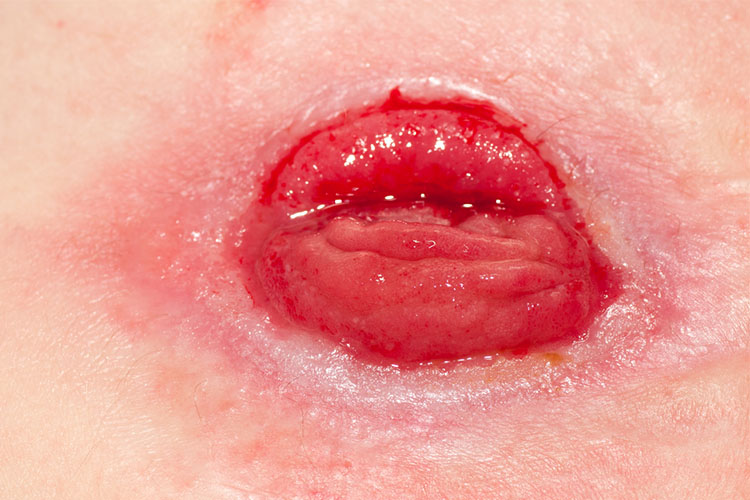
A stoma is an opening up developed operatively on the abdominal area that enables waste to leave the body when component of the gastrointestinal system is compromised. Comprehending what an ostomy requires is crucial for reliable care management.
What Is Ostomy Care?
Ostomy care refers to the methods involved in looking after a stoma and the surrounding skin. This includes altering ostomy bags, monitoring skin stability, and making certain hygiene to avoid complications.
The Importance of Training in Complicated Digestive Tract Care
Ndis Complex Bowel Care Training
The National Handicap Insurance coverage Scheme (NDIS) uses specialized training programs designed to equip caregivers with the abilities needed for providing complex bowel care. This training focuses on assessing individual demands and establishing tailored administration plans.
Stoma Treatment Training for Carers
Training especially geared toward stoma care makes sure that caretakers are NDIS resources for complex bowel management skilled in handling various types of ostomies. Subjects covered usually consist of transforming devices, managing leakages, and giving emotional assistance to patients.
Courses Readily available for Complex Bowel Care
Complex Bowel Treatment Course: What You Need to Know
A structured program on complex bowel care covers important subjects such as composition, typical disorders, treatment strategies, and person communication techniques.
Bowel Care Courses: A Lifeline for Healthcare Providers
Various establishments offer bowel care courses customized to various levels of healthcare providers. These programs make certain that specialists continue to be upgraded on finest methods in digestive tract management.
Key Parts of Effective Bowel Management
Effective digestive tract management incorporates numerous parts:
Assessment: Regular assessment helps identify adjustments in bowel patterns or signs of complications. Intervention: Based on analyses, treatments may consist of dietary modifications or medication. Education: Educating both people and caretakers ensures everybody comprehends their functions in handling digestive tract health. Support Systems: Offering emotional support can improve conformity with management strategies.Caring for an Ostomy: Practical Tips
Caring for an ostomy needs unique attention to detail:
- Ensure proper health around the stoma. Use obstacle lotions if essential to shield skin integrity. Monitor output frequently to spot any kind of changes.
Dietary Considerations in Digestive tract Management
Diet plays a crucial duty in maintaining healthy and balanced bowel feature. Foods high in fiber can advertise uniformity while specific foods might worsen signs in individuals with details conditions.
Fiber-Rich Foods vs. Low-Fiber Foods
|Fiber-Rich Foods|Low-Fiber Foods|| ------------------------|------------------------|| Entire grains|White bread|| Fruits (with skins)|Refined treats|| Veggies|Milk items|| Legumes|Meat|
Medication Monitoring in Digestive tract Health
Medications can dramatically affect digestive tract feature-- either favorably or negatively. It's essential to assess all medications regularly with medical care providers.
Monitoring Person Outcomes: Why It Matters?
Regularly monitoring end results aids gauge the efficiency of interventions and readjust techniques as necessary.
How Can Data Impact Future Strategies?
Data collected from patient assessments can assist identify trends that educate future therapy protocols.
Collaboration Amongst Healthcare Providers
Collaboration between experts such as gastroenterologists, dietitians, and nursing team guarantees an all-round method to intricate digestive tract management.
FAQs Regarding Complex Bowel Management
What is complicated digestive tract care?- Complex digestive tract treatment includes specialized techniques aimed at managing conditions influencing normal bowel function via customized treatments consisting of nutritional adjustments and clinical treatments.
- NDIS gives funding for specialized solutions consisting of training programs that equip caretakers with required abilities in taking care of complex bowel problems effectively.
- Stoma care entails normal cleaning around the stoma website, transforming ostomy bags correctly, keeping track of skin disease, and giving emotional assistance to individuals adjusting to their new lifestyle post-surgery.
- Yes! Several companies provide focused training courses like "complex bowel care course" or "stoma care training" made especially for caretakers dealing with clients that require customized help.
- Diet plays an important function; high-fiber foods advertise regularity while certain foods might cause discomfort or exacerbate existing conditions.
- Monitoring enables healthcare providers to assess treatment effectiveness in time and make needed adjustments based on person responses or data trends.
Conclusion
In conclusion, implementing effective Complex Digestive tract Administration Approaches can lead straight to improved person results by making sure individualized techniques are taken throughout therapy processes-- from caregiver training such as NDIS complicated bowl treatment training via suitable nutritional options and continuous analyses. As we proceed discovering innovations within this field-- and fostering partnership between healthcare providers-- the supreme objective stays clear: improving the lifestyle for those browsing difficulties connected with their gastrointestinal wellness with educated practices and caring caregiving.

This extensive overview acts as a necessary source devoted exclusively toward recognizing complexities involved within this essential facet of health care delivery-- showing once more how specialized interest towards something as basic yet complex as our physical features holds tremendous power in the direction of accomplishing much better health and wellness results overall!